How to Find a Reliable Produce Supplier for Your Grocery Store: A Retail Procurement Guide


Key Takeaways / TL;DR
In retail produce procurement, grocery buyers and category managers face constant pressure to maintain full shelves while protecting gross margins. Sourcing fresh fruit and vegetables requires finding wholesale partners who deliver consistent quality without unexpected disruptions.
Understanding how to evaluate potential vendors helps retail teams eliminate supply chain bottlenecks, reduce store-level shrink, and build shopper loyalty.
A reliable produce supplier is a wholesale grower or distributor capable of delivering uniform product quality, verified food safety compliance, and predictable volume year-round.
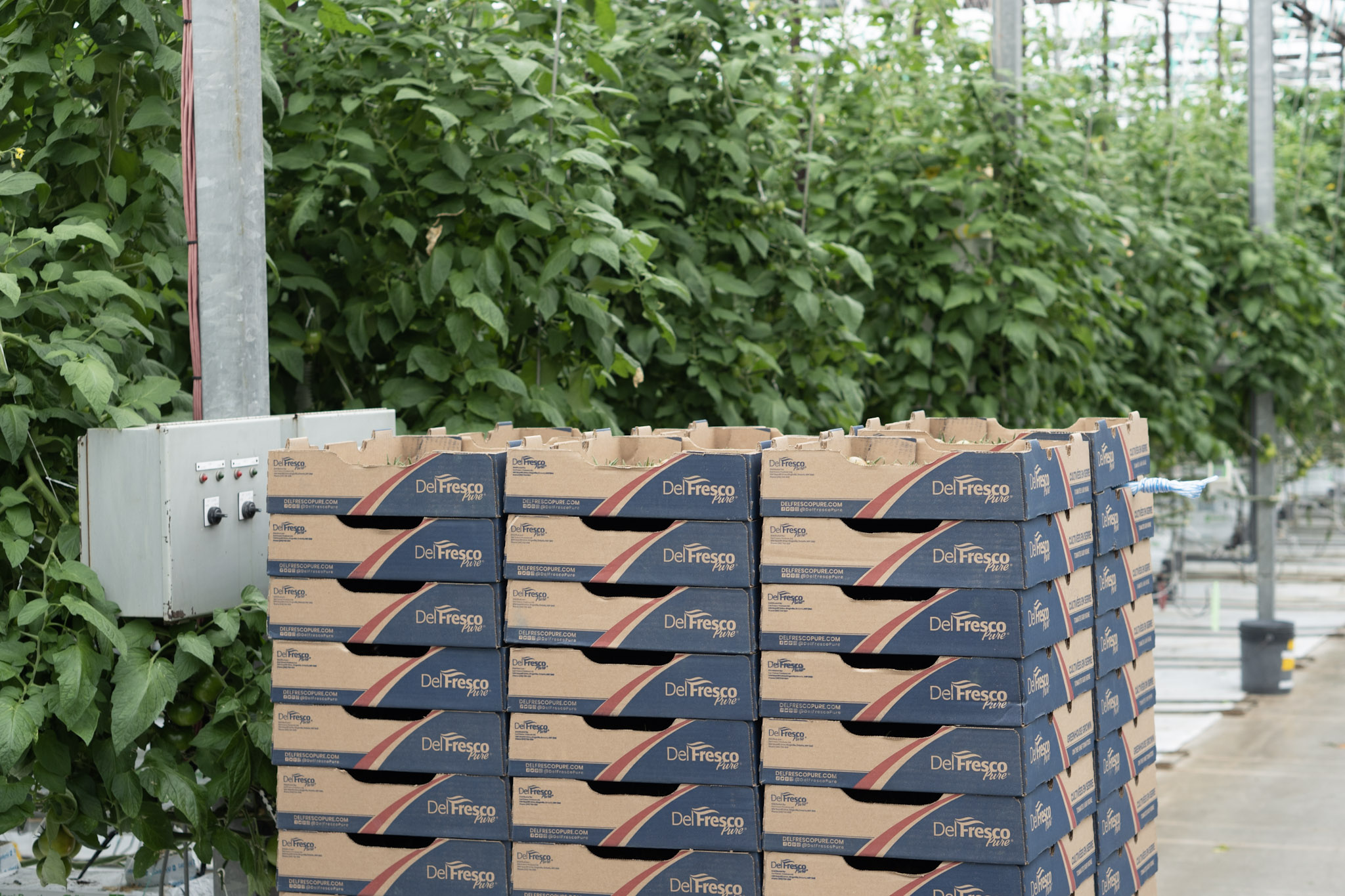
Grocery stores rely on steady inventory to avoid empty displays and lost sales revenue. Sourcing from established greenhouse growers like Del Fresco Pure ensures that produce departments receive high-quality crops regardless of external weather conditions.
Retail produce buyers should evaluate potential wholesale partners using a structured 5-point audit checklist.
When evaluating growers, confirm their production capacity across core categories like greenhouse tomatoes, cucumbers, and sweet peppers. Year-round growing ensures predictable pricing and steady inventory during off-season transitions.
Food safety failures can severely damage a grocery retailer’s reputation. Procurement managers must verify that suppliers maintain recognized industry certifications benchmarked by the Global Food Safety Initiative (GFSI).
Key certifications to audit include:
Freshness depends heavily on temperature control between the farm and distribution center. Reliable suppliers utilize continuous temperature monitoring and localized freight routes to preserve product shelf life. Short transit times prevent moisture loss, surface pitting, and premature spoilage on store shelves.
Packaging plays a direct role in shelf velocity and product protection. High-performing suppliers offer flexible packaging options, including:
Explore how retail packaging solutions complement culinary marketing by reviewing Del Fresco Pure recipes.
Unexpected crop shifts happen. Reliable suppliers provide proactive crop forecasting, transparent pricing structures, and dedicated account representatives who alert buyers to supply changes before orders are impacted.
Greenhouse produce reduces retail shrink by offering uniform sizing, firmer skin texture, and cleaner harvesting conditions compared to open field crops.
High-tech greenhouses protect crops from soil contamination, heavy rain, and pest infestations. This controlled environment yields clean, unblemished produce with extended shelf life. Lower spoilage rates directly improve produce department profitability.
Consistency in quality and supply volume is the most critical factor. A supplier who delivers uniform, safe produce year-round prevents out-of-stock conditions and protects store profitability.
Greenhouse produce delivers higher uniformity, cleaner food safety records, and year-round availability. Field crops are subject to seasonal gaps, weather damage, and shorter shelf life.
Certifications like GFSI, CanadaGAP, and EFI verify that the supplier adheres to international safety and labor standards, shielding retailers from recall risks and legal liabilities.
Building a high-performing fresh produce section requires vendor partners who prioritize safety, reliability, and innovation. Sourcing from experienced greenhouse growers allows grocery retailers to capture higher margins and deliver exceptional quality to shoppers daily.
Looking to strengthen your grocery store’s produce department with consistent year-round supply? Explore custom packaging and program options at Del Fresco Pure Retailer Solutions.