

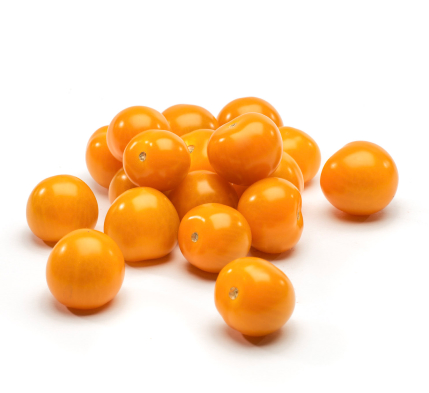
Key Takeaways / TL;DR
- Primary Difference: Cherry tomatoes are round, juicy, and sweet with thin skin, while grape tomatoes are oblong, meatier, and lower in water content with a longer shelf life.
- Retail Advantage: Grape tomatoes resist splitting during transport and handling, making them a preferred choice for grocery retail displays to reduce store shrink.
- Culinary Applications: Cherry tomatoes excel in raw salads and fresh snacking, whereas grape tomatoes hold up better for high-heat roasting, grilling, and cooking.
- Nutritional Value: Both varieties are low-calorie, rich in Vitamin C, Vitamin A, and lycopene, supporting healthy lifestyle choices.
In the fresh produce aisle, small tomato varieties drive significant category growth. Shoppers and grocery buyers alike often compare grape tomatoes vs cherry tomatoes when choosing between taste, texture, and shelf life.
Understanding the key differences between these bite-sized greenhouse varieties helps consumers make better culinary choices and enables retail procurement managers to build high-performing produce displays.
What Is the Main Difference Between Grape Tomatoes and Cherry Tomatoes?
The main difference between grape tomatoes and cherry tomatoes lies in their shape, water content, skin thickness, and texture.
Cherry tomatoes are round, soft, and bursting with sweet juice, whereas grape tomatoes are oval, firmer, and have a higher flesh-to-juice ratio. Both options are grown in controlled environment settings like those at Del Fresco Pure, delivering clean quality and uniform consistency across their lineup of greenhouse produce.
How Do Grape Tomatoes and Cherry Tomatoes Compare?
Comparing these two popular varieties across core characteristics highlights their distinct advantages for consumers and retailers.
| Feature | Grape Tomatoes | Cherry Tomatoes |
| Shape and Size | Small, oval, grape-shaped | Round, golf ball to marble sized |
| Texture and Skin | Thick skin, meaty flesh, crunchy | Thin skin, delicate texture, soft |
| Flavour Profile | Balanced sweet and tangy | High Brix sweetness, juicy burst |
| Water Content | Lower moisture, less watery | High water content, juicy interior |
| Shelf Life | Extended shelf life (10 to 14 days) | Shorter shelf life (5 to 7 days) |
| Split Resistance | High resistance to splitting | Susceptible to cracking and soft spots |
What Are the Nutritional Benefits of Small Tomatoes?
Both grape and cherry tomatoes offer rich nutrient profiles that support a balanced diet, making them ideal healthy snacks.
- High Antioxidant Content: Both varieties contain high levels of lycopene, a powerful antioxidant studied by the USDA Agricultural Research Service for promoting cardiovascular health.
- Essential Vitamins: Rich in Vitamin C for immune support and Vitamin A for vision health.
- Low Calorie Hydration: Containing fewer than 30 calories per cup, both options serve as guilt-free snacks for health-conscious shoppers.
For creative ways to incorporate small greenhouse tomatoes into everyday meals, explore Del Fresco Pure recipes.
How Should You Use Grape Tomatoes vs Cherry Tomatoes in Cooking?
Choosing between grape and cherry tomatoes depends on the desired culinary preparation and texture.
Best Uses for Cherry Tomatoes
Cherry tomatoes offer a sweet, juicy burst that elevates raw and quick-serve dishes:
- Fresh Salads: Adds vibrant color and sweet acidity to Caprese salads and green bowls.
- Fresh Snacking: Perfect for kids and quick lunchboxes.
- Cold Appetizers: Skewered on toothpicks with fresh mozzarella and basil leaves.
Best Uses for Grape Tomatoes
Grape tomatoes feature a firmer structure that performs exceptionally well under high heat:
- Roasting and Baking: Holds shape when roasted with olive oil, garlic, and pasta.
- Grilling: Ideal for vegetable skewers because the thick skin prevents tearing on hot grills.
- Sautéing: Blisters evenly in hot pans without making sauces watery.
Why Do Grape Tomatoes Perform Well in Retail Procurement?
Grape tomatoes perform exceptionally well in retail procurement because their thick skin and lower water content reduce store-level shrink and extend shelf life.
Produce category managers prioritize grape tomatoes due to several key commercial factors:
- Lower Shrink and Wastage: Grape tomatoes resist bruising and splitting during packing, transit, and customer handling on store displays.
- Extended Display Life: They maintain firmness on store shelves up to twice as long as traditional cherry tomatoes.
- Packaging Flexibility: Packaged in top seal trays or clear clamshells, grape tomatoes offer eye-level visual appeal and easy stacking.
Frequently Asked Questions (FAQs)
Are grape tomatoes sweeter than cherry tomatoes?
Cherry tomatoes generally have a higher water content and a sweeter initial burst of flavor, while grape tomatoes offer a balanced, rich flavor with a firmer bite.
Why do grape tomatoes last longer than cherry tomatoes?
Grape tomatoes have thicker outer skins and less water content, making them far less prone to splitting, rotting, or softening quickly.
Can you substitute grape tomatoes for cherry tomatoes in recipes?
Yes. Grape tomatoes and cherry tomatoes can be substituted 1 to 1 in most recipes, though grape tomatoes are better suited for cooking and roasting due to their firmness.
How Can You Optimize Your Store’s Tomato Program?
Sourcing high-quality greenhouse tomatoes ensures grocery stores deliver consistent taste, vibrant color, and long-lasting freshness to shoppers year-round.
Looking to upgrade your produce department with premium greenhouse tomato varieties? Learn more about custom packaging and supply programs at Del Fresco Pure Retailer Solutions.