Greenhouse Grown vs Field Grown Produce: A Side by Side Guide for Retail Buyers


Key Takeaways
For grocery store category managers and fresh produce buyers, sourcing decisions directly dictate department profitability, shrink rates, and customer loyalty. When evaluating fresh vegetables, procurement teams frequently weigh greenhouse grown vs field grown produce to balance unit cost against supply stability.
Understanding the operational and financial trade offs between controlled environment agriculture and traditional open field farming helps retail buyers build resilient fresh produce supply chains.
The main difference between greenhouse grown and field grown produce lies in the level of environmental control during crop cultivation.
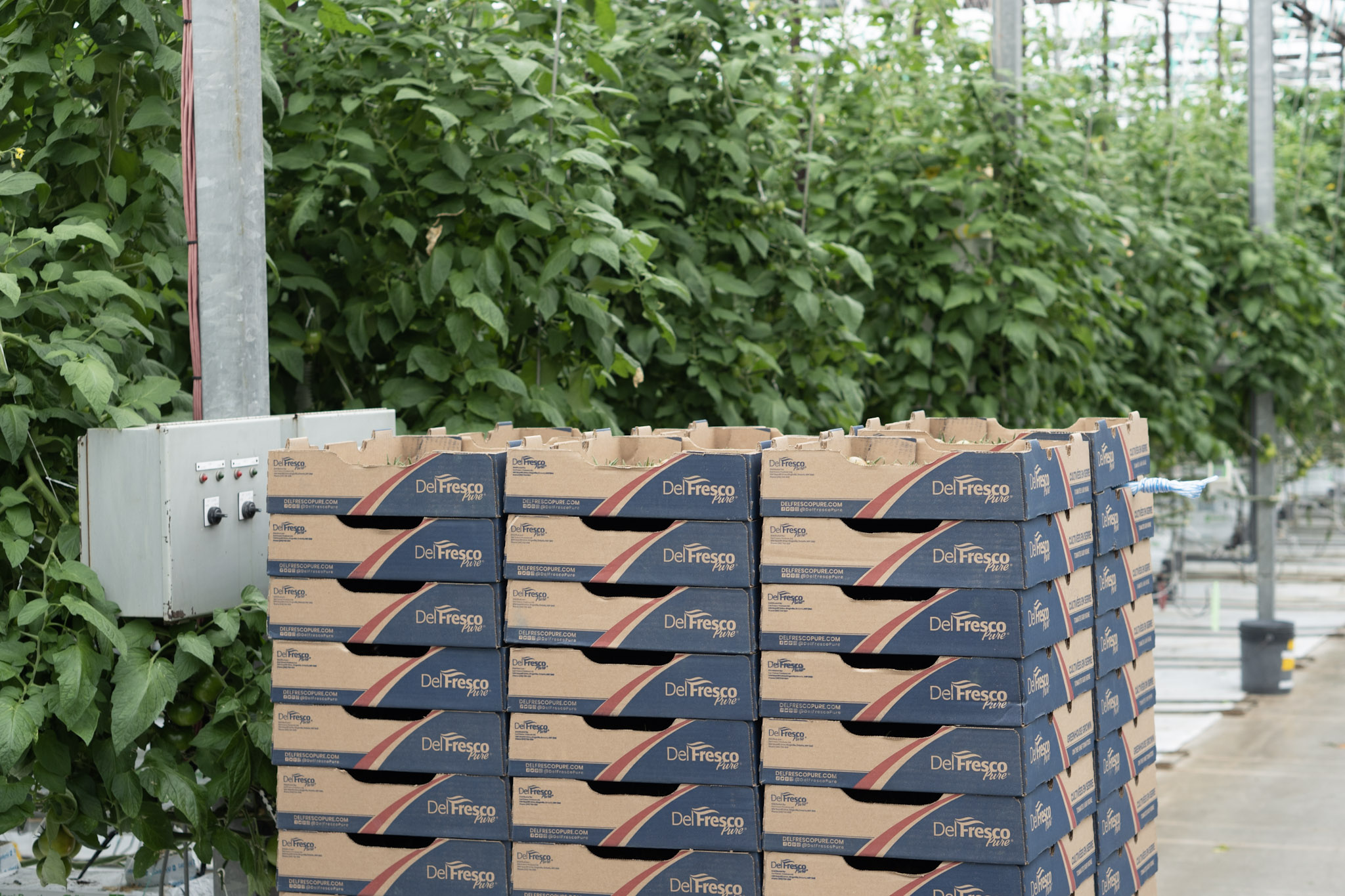
Field grown crops are exposed to natural weather elements, soil conditions, and seasonal climate shifts. In contrast, greenhouse grown produce is cultivated inside high tech facilities using hydroponic systems, automated climate controls, and biological pest management. Leading growers like Del Fresco Pure utilize controlled environment agriculture to deliver uniform, high quality greenhouse produce year round.
Comparing these two farming methods across core retail criteria highlights their impact on store operations and gross margins.
| Feature | Greenhouse Grown Produce | Field Grown Produce |
| Supply Consistency | Year round uninterrupted harvesting | Weather dependent, seasonal harvesting |
| Product Uniformity | High consistency in size, color, and weight | Variable sizing, color variations, and scarring |
| Shelf Life | Extended shelf life (up to 10 to 14 days) | Shorter shelf life (5 to 8 days) |
| Food Safety Risk | Controlled environment lowers recall risk | Exposed to soil, weather, and animal vectors |
| Water Usage | Recirculating systems use up to 90% less water | High water consumption through traditional irrigation |
| Price Stability | Predictable contract pricing year round | High price volatility due to weather events |
Greenhouse grown produce offers retail buyers key operational advantages that translate into higher category performance.
Outdoor field crops are vulnerable to droughts, sudden frosts, and heavy rains that destroy yields and trigger price spikes. High tech greenhouses utilize supplemental lighting and thermal control to harvest top quality crops during severe winter months. This ensures grocery stores avoid empty shelves in core categories like tomatoes, peppers, and cucumbers.
Produce shrink directly erodes gross profit margins. Because greenhouse crops are protected from wind, hail, and soil contact, they arrive at retail distribution centers with unblemished skin and firm cellular structure. Longer shelf life gives stores more time to sell inventory before spoilage occurs.
Food safety outbreaks carry severe financial penalties and brand damage. Greenhouse facilities follow strict sanitation protocols benchmarked by global standards. According to food safety research published by the USDA Agricultural Research Service, controlled environment farming significantly reduces crop exposure to environmental pathogens compared to open field operations.
Shoppers select produce based on visual appeal, aroma, and taste.
To see how greenhouse grown vegetables inspire home cooks, browse Del Fresco Pure recipes.
Greenhouse produce requires higher initial capital investment in technology, climate control, and facility infrastructure. However, the higher retail price point is offset by lower store shrink, superior quality, and year round availability.
Yes. High tech greenhouses use closed loop hydroponic systems that recycle water and nutrients, reducing water usage by up to 90% compared to traditional field irrigation while eliminating agricultural runoff.
Yes. Large scale greenhouse growers maintain continuous planting cycles and multi facility operations to supply major grocery chains with consistent volume 52 weeks a year.
Balancing your produce display between high volume commodities and premium greenhouse crops ensures your grocery stores maintain high customer satisfaction while protecting store margins. Partnering with experienced greenhouse growers provides the inventory reliability and safety compliance modern retail demands.
Ready to secure a consistent year round supply of premium greenhouse produce for your store network? Discover tailored supply solutions at Del Fresco Pure Retailer Solutions.